
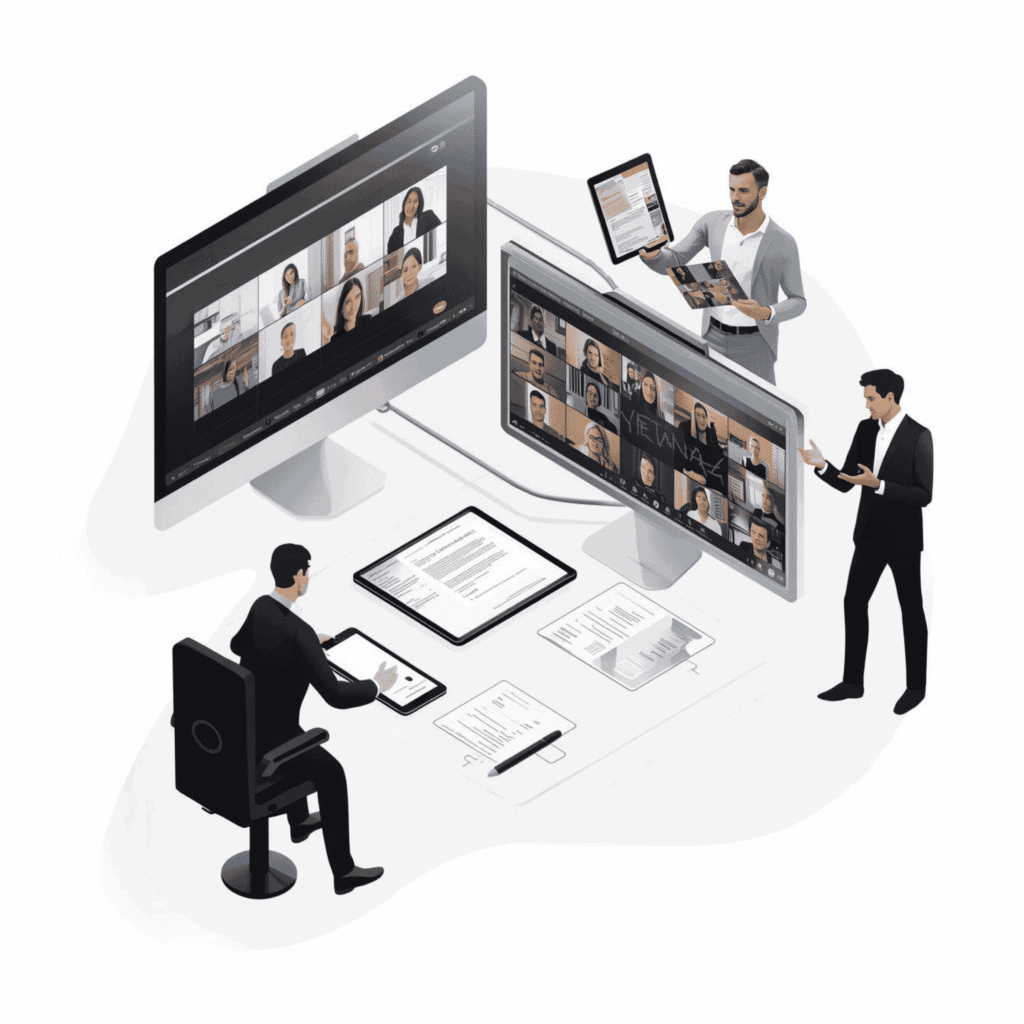
With the rise of both remote work and cost of services, remote depositions have become increasingly popular. Conducting depositions remotely offers numerous benefits, including convenience and cost savings. But with so many platforms available, how do you choose the right one for your legal needs? In this article, we’ll explore the best platforms for conducting remote depositions, focusing on their features, usability, and security.
Remote legal proceedings have revolutionized the way legal professionals conduct their work. By leveraging technology, lawyers, clients, and witnesses can participate in depositions from different locations. This approach not only saves time and travel expenses but also provides flexibility for all parties involved. As a result, many law firms and legal practitioners are adopting remote deposition services as a standard practice.
Key Considerations for Choosing a Platform
When selecting a platform for remote depositions, it’s crucial to consider several factors to ensure a smooth and effective process. Here are the key considerations to keep in mind:
Security
Security is paramount in any legal proceeding. The platform you choose must offer robust security features to protect sensitive information. Look for platforms that provide end-to-end encryption, secure data storage, and compliance with legal standards such as the General Data Protection Regulation (GDPR).
Ease of Use
A user-friendly platform is essential to running an effective remote deposition. The interface should be intuitive and easy to navigate for all participants, from paralegals preparing exhibits to litigators conducting questioning and witnesses providing testimony. Reliable audio and video quality, simple login procedures, and stable connectivity form the foundation, while capabilities such as exhibit management, real-time transcription, and testimony flagging add meaningful value by supporting preparation, clarity, and case strategy.
Recording and Transcription
Recording depositions is a common practice, as it allows for accurate record-keeping and review. Choose a platform that offers recording capabilities, with options for real time transcription. This feature can save time and ensure that all important details are captured accurately, allowing you to move onto the next case faster.
Participant Capacity
Consider the number of participants that may be involved in a deposition. Some platforms have limitations on the number of users who can join a session. Ensure that the platform you choose can accommodate the required number of participants, including attorneys, clients, witnesses, and court reporters.
Top Platforms for Remote Depositions
Let’s explore some of the best platforms available for conducting remote depositions, each offering unique features and benefits.
Remote Legal
Remote Legal is a litigator–centric remote deposition platform designed specifically for formal legal proceedings rather than general meetings. Built around admissibility and procedural integrity, it combines experienced court reporters with purpose-built technology for managing testimony, exhibits, and the official record. Its flat, transparent pricing and state-specific compliance expertise make it a practical choice for litigators seeking predictability and rigor in remote depositions.
Zoom
Zoom is a widely recognized platform that has gained popularity for remote meetings and legal proceedings. Its ease of use, reliability, and robust security features make it a popular choice for remote depositions. Zoom offers features such as breakout rooms for private discussions, recording capabilities, and high-quality audio and video.
Webex
Webex, developed by Cisco, is another excellent platform for remote legal proceedings. Known for its strong security measures, Webex offers end-to-end encryption and secure data handling. The platform provides high-quality audio and video, along with features like screen sharing, chat, and remote backgrounds. Webex’s user-friendly interface and ability to accommodate large numbers of participants make it a reliable choice for remote depositions.
Microsoft Teams
Microsoft Teams is a powerful collaboration platform that integrates with the Microsoft Office suite. This integration allows for easy access to documents and communication tools during depositions. Microsoft Teams offers secure video conferencing, recording capabilities, and real-time transcription. Its seamless integration with other Microsoft applications enhances productivity and efficiency during remote legal proceedings.
GoTo Meeting
GoTo Meeting is a versatile platform that offers reliable video conferencing and collaboration tools. It provides features such as screen sharing, chat, and recording options. GoToMeeting’s user-friendly interface and high-quality audio and video make it a suitable choice for remote depositions. The platform’s security features, including encryption and compliance with legal standards, ensure the confidentiality of sensitive information.
Veritext Remote
Veritext Remote is a platform specifically designed for legal proceedings, including depositions. It offers a range of features tailored to the needs of legal professionals, such as real-time transcription, exhibit sharing, and secure document storage. Veritext Remote’s focus on security and compliance with legal standards makes it a good choice for remote depositions.
Tips for Conducting Effective Remote Depositions
To ensure a successful remote deposition, consider the following tips:
Test the Technology
Before the deposition, conduct a test run of the platform to familiarize yourself with its features and address any technical issues. Ensure that all participants have access to the necessary equipment and a stable internet connection.
Set Clear Guidelines
Establish clear guidelines for the deposition, including rules for communication, document sharing, and breaks. Communicate these guidelines to all participants in advance to avoid confusion during the session.
Prepare for Technical Challenges
Despite careful preparation, technical challenges may arise. Have a backup plan in place, such as an alternative communication method, to address any disruptions quickly.
Ensure a Professional Environment
Encourage all participants to conduct the deposition in a quiet, professional environment. Minimize background noise and distractions to maintain focus and professionalism.
Conclusion
Remote depositions are an effective and efficient way to conduct legal proceedings in today’s digital age. By selecting the right platform and preparing adequately, legal professionals can ensure a smooth and successful deposition process. Consider the key factors of security, ease of use, recording capabilities, and participant capacity when choosing a platform. With the right tools and strategies in place, remote depositions can be a valuable asset to any legal practice.